Waterfall Swatch Books vs. Memo Binders: How to Choose the Right Textile Sample Format
Struggling with bulky fabric sample folders or high shipping costs? Compare waterfall cascading color cards vs. loose-leaf swatch binders to optimize showroom storage, client selection, and RFQ engineering.
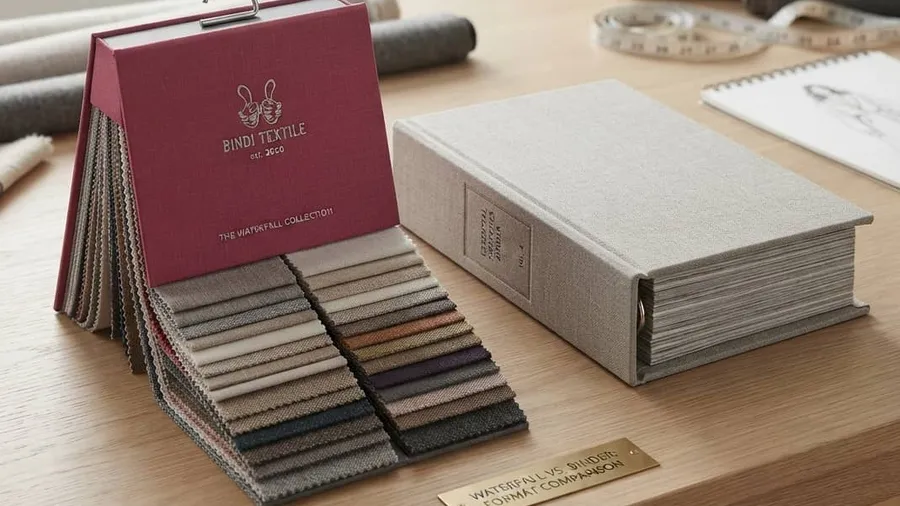
Waterfall Swatch Books vs. Memo Binders: How to Choose the Right Textile Sample Format
When launching a new seasonal textile collection, apparel designers, upholstery converters, and interior specifiers face a recurring procurement dilemma: how to present dozens of colorways without creating bulky, disorganized, or prohibitively expensive sample books.
Choosing the wrong structural format leads to frayed fabric edges, crushed spines during international courier transit, and cluttered showroom racks. To help your sourcing team make an informed decision before submitting an RFQ, this guide breaks down the engineering trade-offs between waterfall cascading color card books and loose-leaf memo binders—and how to specify the exact structural parameters for maximum durability.
1. The Core Pain Points in Textile Sample Procurement
Before selecting a binding mechanism or cover material, product developers must solve four operational bottlenecks:
- Color Comparison Friction: When fabrics are stacked or hidden behind separate pages, designers cannot view an entire tonal palette simultaneously under showroom lighting.
- Showroom Storage vs. Portability: Loose swatch rings tangle on racks, while oversized hardcover binders consume excessive studio shelf space and drive up dimensional weight (DIM) shipping fees.
- Edge Fraying & Delamination: High-pile fabrics like flannel, heavy linen, and woven blends quickly unravel at the edges if cut without precision or mounted on low-density cardstock.
- Cover Warping in Transit: Standard thin chipboard bends under humidity fluctuations during ocean or air freight, ruining brand perception before a buyer even opens the book.
2. Structural Showdown: Waterfall Color Card Books vs. Loose-Leaf Binders
Selecting the ideal architecture depends on your SKU count per collection and how end-users interact with the textiles.
| Evaluation Metric | Waterfall Cascading Color Card Book (Header / Spiral / Hardcover) | Loose-Leaf Ring Swatch Binder (3-Ring / D-Ring) |
|---|---|---|
| Best Use Case | Full colorway comparison (20–100+ shades per fabric quality) | Large-scale tactile drape testing & removable memo samples |
| Visual Efficiency | High — Dual-column stepped layout shows all colors at a glance | Moderate — Requires flipping page by page |
| Showroom Organization | Integrated — Built-in metal hook or compact spine hangs cleanly on racks | Shelf-Based — Requires dedicated bookcase or flat-file storage |
| Shipping Footprint | Compact & Lightweight — Slim profile lowers air/DDP freight costs | Bulky — Wide spine clearance increases volumetric weight |
| Sku Update Flexibility | Fixed per seasonal edition (ideal for standardized core lines) | High (individual cards can be swapped out) |
Engineering Takeaway: If your goal is to showcase an expansive color range—such as 40 to 80 shades of woven, linen, flannel, or blended textiles dual-column cascading waterfall layout eliminates page-flipping friction and cuts per-unit manufacturing and freight costs by up to 35% compared to multi-ring binders.
3. How to Engineer a High-Durability Cascading Swatch Book
To ensure a waterfall color card book survives years of studio handling without warping or ungluing, specify these four structural components in your RFQ:
A. Rigid Cloth-Wrapped Greyboard Core
Avoid lightweight duplex boards that curl at the corners. Specify 2.5 mm to 3.0 mm high-density greyboard wrapped in textured specialty bookcloth (such as wood grain, wavy sand, metallic, or soft-touch finishes). Cloth wrapping resists fingerprint smudges and withstands repeated flexing at the spine hinge.
B. Precision Dual-Column Cascading Mounting
For high-density color presentation, mount precision-pinked or laser-sealed fabric chips in a dual-column stepped cascade. Pairing each stepped swatch strip with crisp, high-contrast CMYK/Pantone SKU codes directly adjacent to the fabric edge prevents misreading color numbers during rapid sampling.
C. Reinforced Hanging & Binding Hardware
- Showroom Hook Integration: Incorporating a heavy-duty metal hanger hook at the top header allows interior studios and garment factories to suspend collections vertically on standard sample racks.
- Lay-Flat Binding Options: Depending on page count, choose between concealed spiral binding for 360-degree fold-back convenience or V-grooved hardcover headers with concealed neodymium magnets for a clean, executive closure.
4. Recommended Solution: Custom Hardcover Spiral & Cloth-Wrapped Fabric Swatch Books
For textile mills and fabric brands seeking a balance between boutique presentation and heavy-duty showroom utility, our Custom Hardcover Spiral & Cloth-Wrapped Fabric Swatch Book is engineered specifically to eliminate the pain points above.
Key OEM/ODM customization capabilities include:
- Cover & Texture Library: Over 15 specialty cover finishes including pearl weave, cinnabar grain, ocean waves wood grain, flannel, and soft-touch coatings.
- Custom Branding: Deep debossing, blind embossing, or metallic foil stamping on the cloth-wrapped hardcover header.
- Tailored Internal Layouts: Single-column, dual-column, or multi-panel waterfall swatch cards engineered to your exact fabric thickness and SKU count.
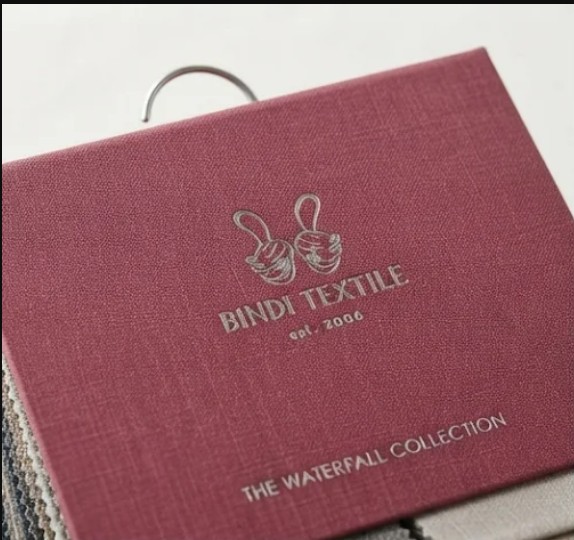 Cloth-Wrapped Hardcover & Metal Hook
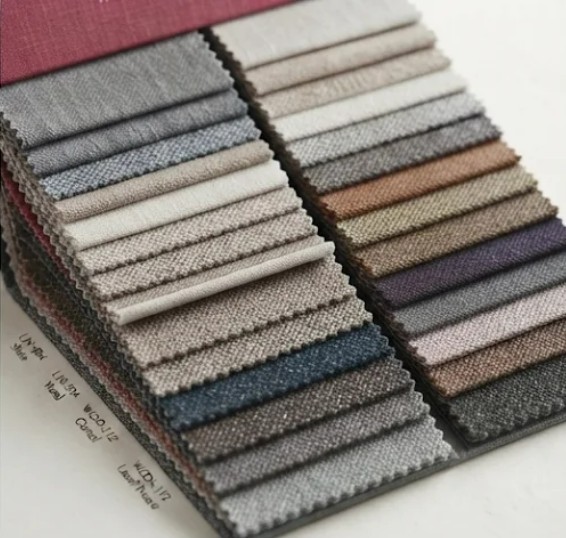 Dual-Column Cascading Color Layout
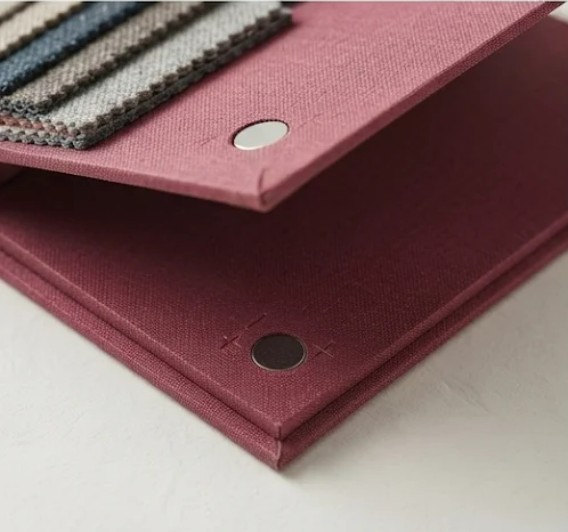 Concealed Magnetic Flap Closure
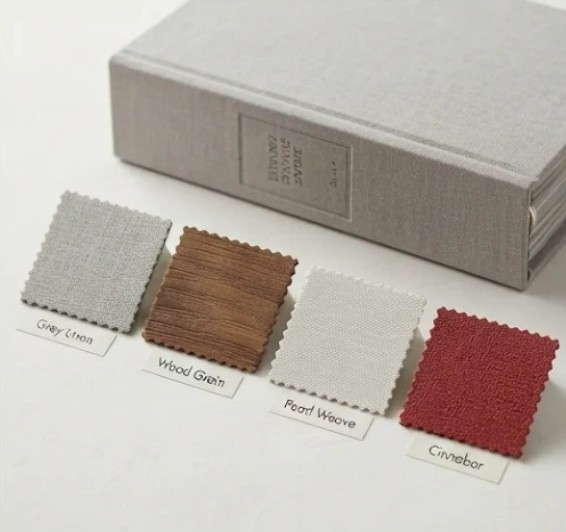 Textured Bookcloth Finish Options
Ready to Prototype Your Next Textile Collection?
Preparing a clear RFQ checklist—including closed dimensions, total color count, fabric weight (GSM), and preferred cover texture—accelerates structural sampling and ensures accurate unit pricing.
*Explore full OEM specifications for our Custom Hardcover Spiral Fabric Swatch Book or contact our engineering team to request a structural dieline and material sample kit.